
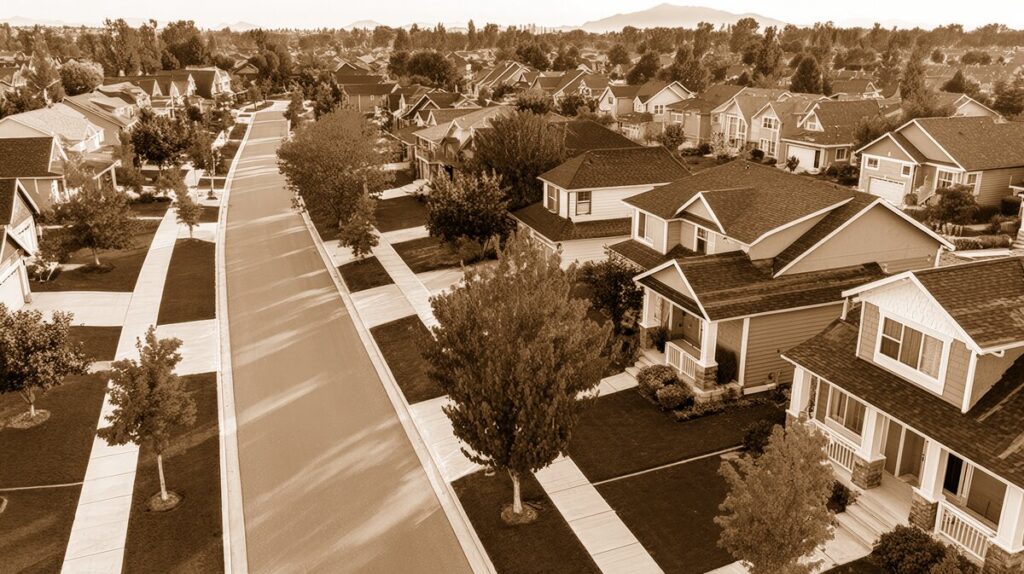
Nestled in the northern reaches of Irondequoit, the North Goodman Park neighborhood boasts a rich history intertwined with the story of Rochester itself. As a longtime resident and local history enthusiast, I’ve watched this area grow and evolve, yet it has always maintained a sense of community spirit and connection to its deep roots. Let’s take a walk through time, exploring how North Goodman Park became the vibrant place it is today.
Origins of North Goodman Park
The area now known as North Goodman Park traces its origins back to the early 20th century, during a period of steady expansion for both Rochester and its outlying suburbs. While Irondequoit was predominantly farmland in the late 1800s, the push for development came as families and entrepreneurs sought more space and a touch of rural charm just outside the city. North Goodman Street, stretching northward out of the heart of Rochester, became a natural axis for growth.
The name “North Goodman Park” has its roots in two places. The “Goodman” moniker honors the Goodman family, early Rochester-area settlers who were known for their community involvement and philanthropy. The “Park” portion refers not just to physical green spaces, but also to the neighborhood’s reputation as a welcoming and lively area—where block parties were common and children played curbside from Genesee Park Boulevard to Seneca Avenue.
Key Historical Milestones
Early Development: 1920s–1940s
The first homes in North Goodman Park sprang up between the 1920s and 1940s, many built in the characteristic styles of the era—Cape Cods, colonials, and sturdy brick bungalows. North Goodman Street hosted small grocers and tailor shops, serving the needs of a growing community. With the advent of trolley service and later, improved bus routes, commuting downtown became increasingly feasible.
- In 1932, Irondequoit’s rapid suburbanization saw the creation of pocket parks, and small playgrounds dotted throughout the area ensured families always had somewhere to gather.
- The neighborhood was also shaped by the construction of local institutions such as the Eastridge High School, not far from the heart of North Goodman Park, in the mid-1950s.
The Baby Boom Era and Community Spirit
The post-war boom brought waves of new residents. North Goodman Park’s leafy streets filled with laughter as new families settled into freshly built homes on streets like Woodridge Drive and Walling Road. Churches and synagogues opened their doors to expanding congregations, further weaving threads of tradition and continuity through the landscape.
A hallmark of this era was the annual summer fair held in one of the neighborhood greenspaces, which today is reflected in the park’s continued role as a gathering place for seasonal festivities.
Notable Landmarks and Institutions
While North Goodman Park is primarily residential, it’s home to several notable sites that anchor its identity:
- North Goodman Park Proper: At the heart of the neighborhood, this modest yet beloved local park acts as a hub for everything from summer barbecues to snowball fights in winter. Its playgrounds have been newly updated, echoing decades of play.
- Goodman Plaza: Once the site of a bustling movie house in the 1950s, Goodman Plaza now consists of small businesses and eateries, some family-owned for generations.
- Nearby Education: Eastridge Senior High School and Helendale Road Primary School are important fixtures, educating generations and fostering community engagement through events and athletics.
- Faith and Fellowship: The diverse collection of houses of worship, from historic Baptist churches to long-standing synagogues, underscores the neighborhood’s welcoming and inclusive spirit.
Evolution Through the Decades
The 1970s–1990s: Time of Transition
Like many American neighborhoods, North Goodman Park faced new challenges in the latter half of the 20th century. The expansion of larger shopping centers drew some commerce away, and changing economic tides led to shifts in demographics. Yet the community adapted—neighborhood associations sprang up to champion everything from park cleanups to youth sports leagues.
Several streets—Evelyn Avenue, Log Cabin Road, and Gladstone Street—became home to waves of new residents, including those from immigrant families seeking a foothold in Irondequoit’s ongoing story. This diversity, embraced through community potlucks and multicultural fairs, continues to be a point of pride.
The 21st Century: Revitalization and Renewal
In the last two decades, North Goodman Park has seen renewed interest as families rediscover the value of close-knit communities. Home renovations abound, and the park’s own facilities were recently restored thanks to a partnership between neighborhood leaders and the Town of Irondequoit.
The neighborhood’s physical proximity to Lake Ontario, Seabreeze Amusement Park, and Durand Eastman Park makes it a convenient and attractive place to call home. Streets like Beaufort Street and Cranbrook Drive sport beautifully tended gardens, evidence of a community that cares deeply about its environment.
Recent years have also witnessed a renaissance of small business culture in Goodman Plaza and along Norton Street, bringing a new vibrancy to classic commercial spaces.
A Tapestry of Heritage and Hope
What truly sets North Goodman Park apart isn’t just its history, but its ability to weave together the old and the new. Neighbors greet each other across generations, children still race to the playground in the evenings, and community bulletin boards bustle with news of the next gathering.
If you take a walk through North Goodman Park today, you’ll see homes lovingly maintained, yards brimming with flowers, and smiles exchanged across porches. Echoes of the past—storied street names, enduring landmarks, and that singular sense of belonging—resonate strongly. Yet there is always an eye toward the future, a collective hope held by all who call this special neighborhood home.
North Goodman Park remains, as ever, a testament to Irondequoit’s spirit: a neighborhood built on heritage, heart, and the shared stories of those who have shaped it through the generations.